What claude wrote about it:
I have enough data to give a thorough answer. Let me give you the numbers, but with an important caveat upfront: the four categories you list are very different in scope (millions of „school“ venues vs. relatively few „shooting events“), and „mass shooting“ is defined differently by different sources (FBI/Congressional Research Service: 4+ killed in public; Gun Violence Archive: 4+ shot; etc.). The numbers below reflect commonly cited research findings.
a) At organized shooting events / competitions / gun ranges
Effectively zero documented mass shootings at active shooting competitions or sanctioned matches. There are a small handful of incidents at gun ranges (typically suicides or single-victim shootings; a 2015 incident at a Florida range, a 2018 incident at a Pennsylvania range), but none meet the standard mass-shooting threshold during the event itself. No major dataset (FBI, Mother Jones, Violence Project, Rockefeller Institute) tracks this as a meaningful category because the count is essentially nil.
b) During hunts
Also extremely rare. The most prominent U.S. case is the 2004 Birchwood, Wisconsin shooting (Chai Soua Vang killed 6 and wounded 2 fellow hunters in a tree-stand dispute). A handful of other hunting-related multiple-victim shootings exist (e.g., 2007 Pennsylvania), but documented mass shootings during hunts number in the very low single digits over decades.
c) In gun-free zones
This is contested and depends heavily on methodology:
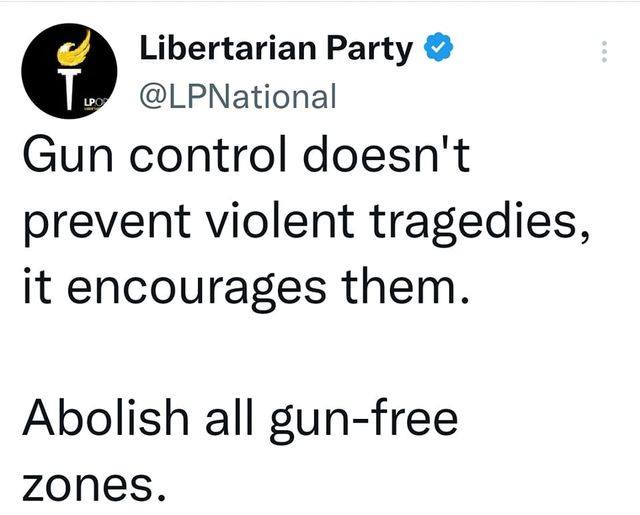
- John Lott / Crime Prevention Research Center: claims 97.8% of mass public shootings from 1950 to May 2018 occurred in „gun-free zones“ (later revised to ~94%). This figure is widely criticized for methodological errors. OLIS
- Independent / peer-reviewed research: Between 1966 and June 2016, only 12% of US mass shootings involving six or more victims occurred in a gun-free zone, and only five percent occurred where civilian gun possession was prohibited. Another study of US mass shootings involving four or more fatalities between 2009 and 2015 found that only 13% occurred in a gun-free place. GVPediaGVPedia
- 2024 Lancet Regional Health–Americas study (UC Davis): of 150 active shootings 2014–2020, 72 (48%) of the shootings happened in gun-free zones, and after matching with control sites, „active shootings were 62.5% less likely to occur in gun-free establishments than in gun-allowing places“. UC Davis HealthUC Davis Health
So: estimates range from ~12% to ~94%, and the spread is mostly an artifact of how „gun-free zone“ is defined (some count any private business, some only legally designated zones).
d) At schools
Depends on definition (any gunfire on school property vs. fatal mass shooting):
- K-12 School Shooting Database (broadest definition – any gun fired, brandished, or bullet hitting school property): an estimated 2,260 incidents of K-12 school shootings occurred in the U.S. between 1966 and 2022. The peak was 350 in 2023. University of Nevada, Las VegasStatista
- Education Week (incidents with at least one bullet wound, excluding suicides): 18 school shootings in 2025 that resulted in injuries or deaths… 39 in 2024, 38 in 2023, 51 in 2022, 35 in 2021, 10 in 2020, and 24 each in 2019 and 2018. EdWeek
- Mass shootings specifically at K-12 schools (4+ killed) since the 1960s: a few dozen — Sandy Hook, Uvalde, Parkland, Columbine, Santa Fe, Oxford, Nashville Covenant, Apalachee, etc.
A note on the comparison
The implied framing — that mass shootings cluster in gun-free zones and not where guns are present — runs into two problems: (1) far more people pass through schools, malls, theaters, and offices than through hunts or shooting matches, so base rates differ by orders of magnitude; (2) when researchers control for venue type, the most rigorous recent study finds gun-free designation is not associated with higher attack risk and may be slightly protective. Conversely, the Lott/CPRC figures remain frequently cited in policy debates. Reasonable people read this evidence differently.